
Teeth whitening at home
Discover a range of at-home teeth whitening products from Opalescence, Pola Light and Philips Zoom at Hey Whitening.
Opalescence - Pola Light - Philips Zoom - Curaprox - Colgate - Waterpik - Oral-B
-
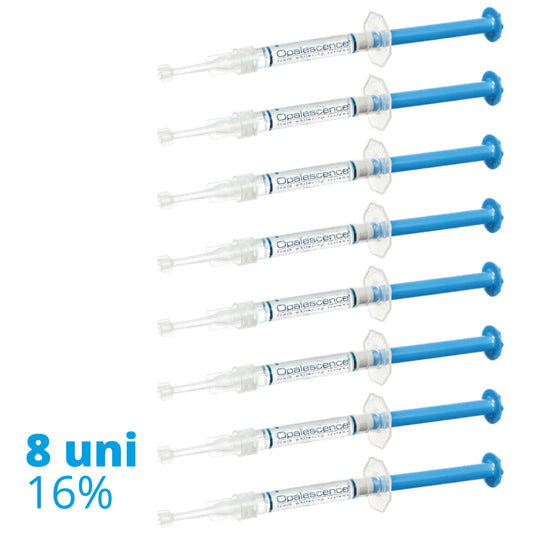
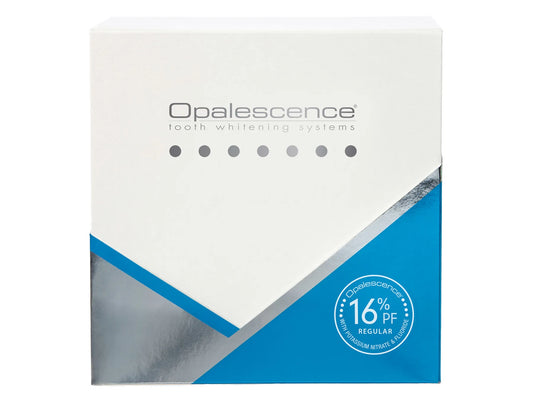
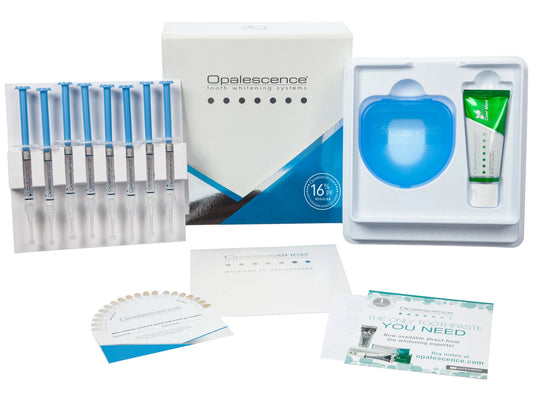
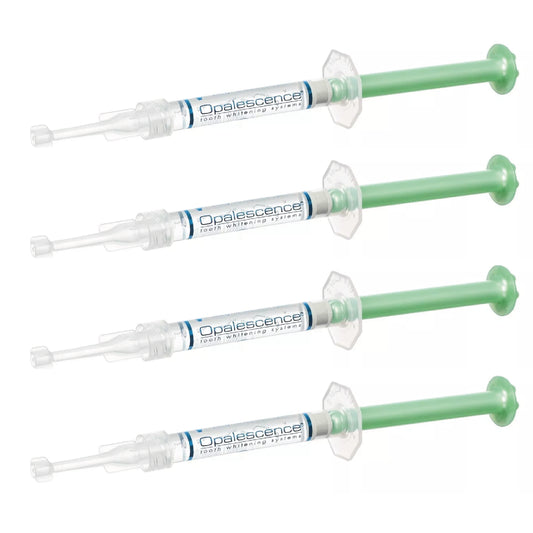
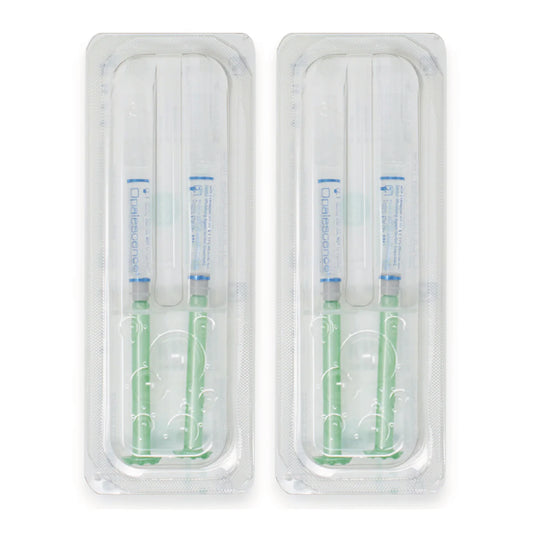
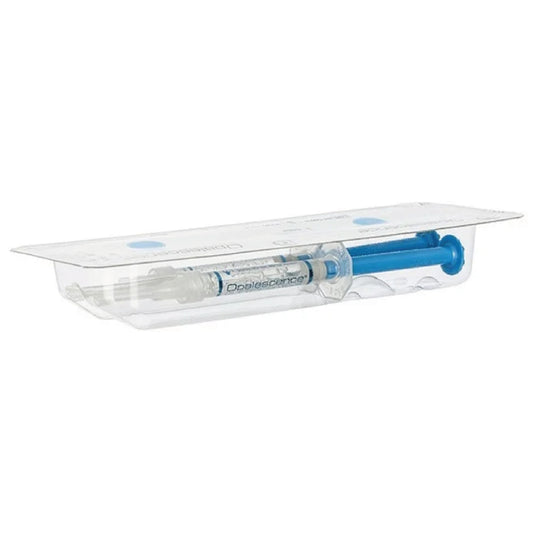
Opalescence PF 16% Regular | At-Home Teeth Whitening | 8 Units
Vendor:OpalescenceRegular price €108,32 EURRegular price -
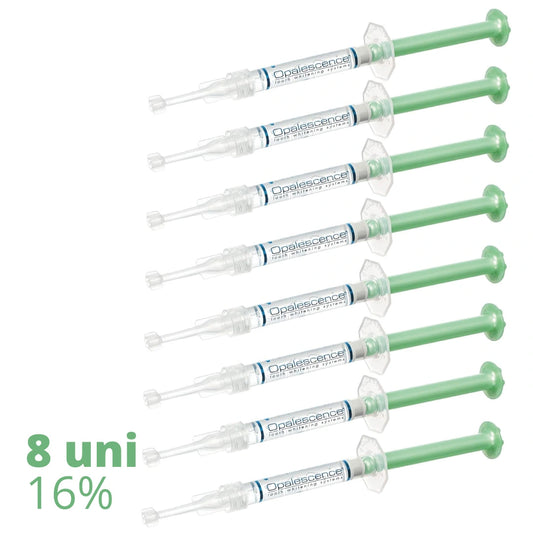
Opalescence PF 16% Mint | At-Home Teeth Whitening | 8 Units
Vendor:OpalescenceRegular price €108,32 EURRegular price -
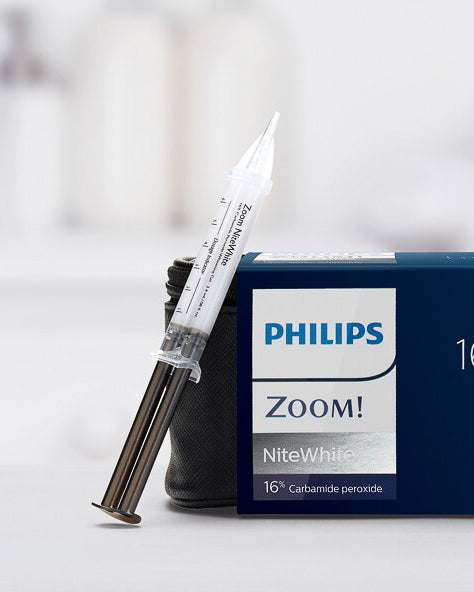
Philips Zoom NiteWhite 16% - Patient Teeth Whitening Kit - 6 units
Vendor:PHILIPS ZOOMRegular price €132,73 EURRegular price -
Pola Light Kit 6% HP: Teeth Whitening with LED Tray
Vendor:Pola LightRegular price €136,64 EURRegular price€198,00 EURSale price €136,64 EURSale -


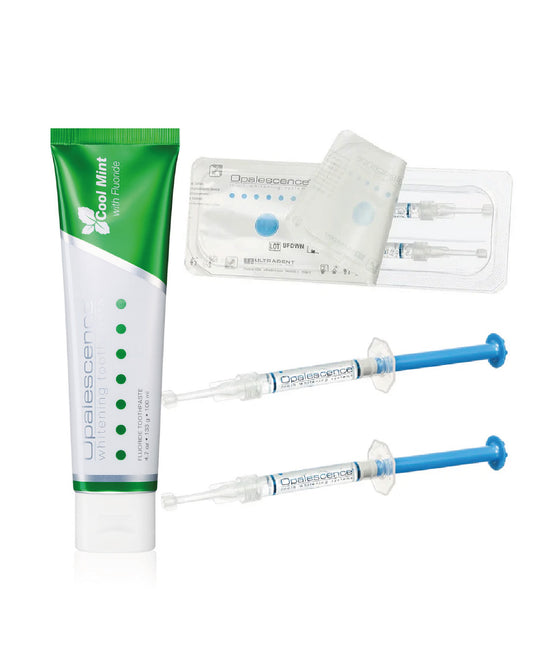
Opalescence Go 6% Kit + Whitening Toothpaste Cool Mint - Complete teeth whitening and daily care
Vendor:OpalescenceRegular price €122,98 EURRegular price€142,98 EURSale price €122,98 EURSale -
Opalescence Go 6% Kit + Whitening Sensitive Cool Mint Whitening Toothpaste - Complete Teeth Whitening and Daily Care
Vendor:OpalescenceRegular price €122,98 EURRegular price€142,98 EURSale price €122,98 EURSale -
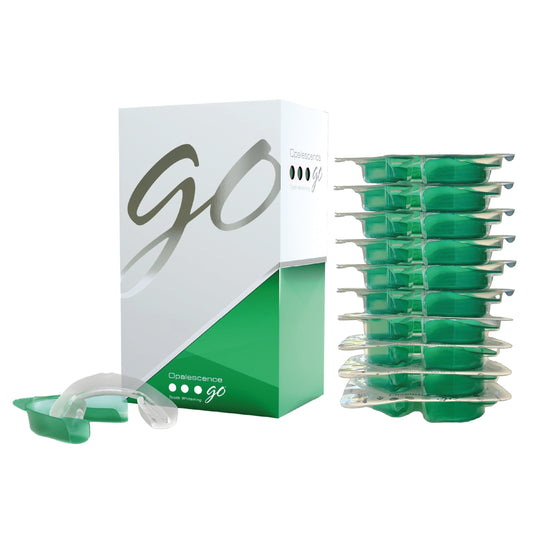
Opalescence Go 6% Mint | Kit of 10 Complete Trays + Opalescence Toothpaste
Vendor:OpalescenceRegular price €116,98 EURRegular price€136,98 EURSale price €116,98 EURSale -
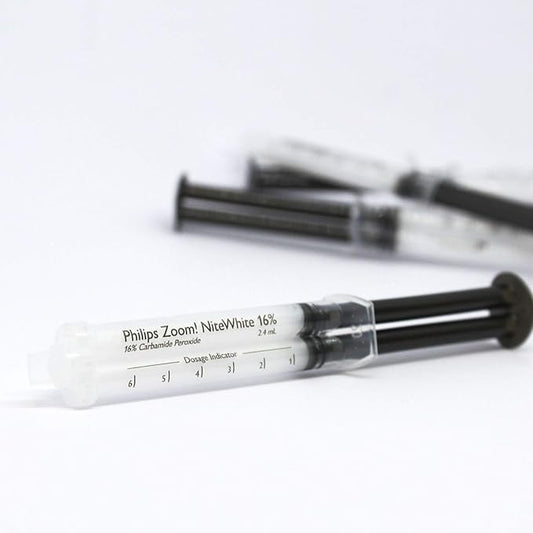
Philips Zoom NiteWhite 16% - Teeth Whitening 2.4ml | 3 units
Vendor:PHILIPS ZOOMRegular price €83,94 EURRegular price€109,05 EURSale price €83,94 EURSale -
Philips Zoom NiteWhite 16% - Patient Teeth Whitening Kit - 3 units
Vendor:PHILIPS ZOOMRegular price €89,45 EURRegular price -
Opalescence PF 16% 'Patient Kit' Regular: At-Home Teeth Whitening
Vendor:OpalescenceRegular price From €66,96 EURRegular price -
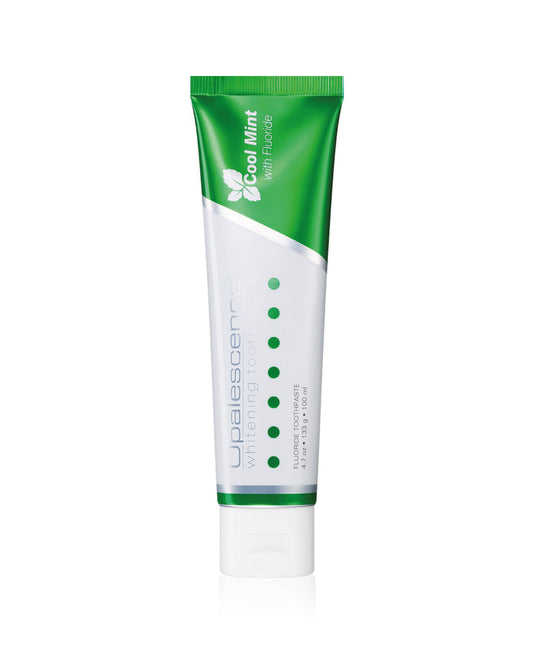
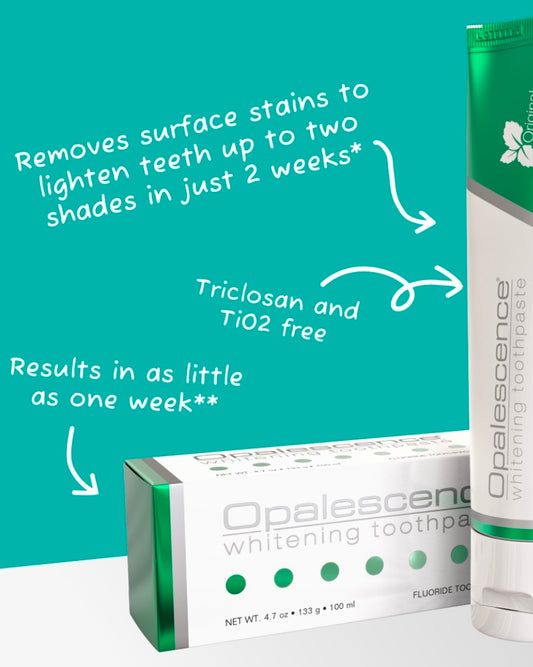
Opalescence - Whitening Toothpaste Original Cool Mint - 100 ml | Ultradent
Vendor:OpalescenceRegular price €11,90 EURRegular price -
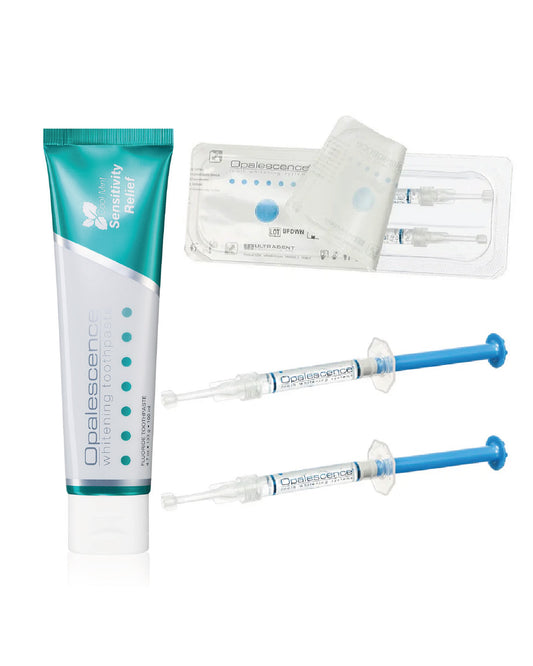
Opalescence Whitening Toothpaste - Whitening Sensitivity Relief Cool Mint - 100 ml | Ultradent
Vendor:OpalescenceRegular price €12,90 EURRegular price -
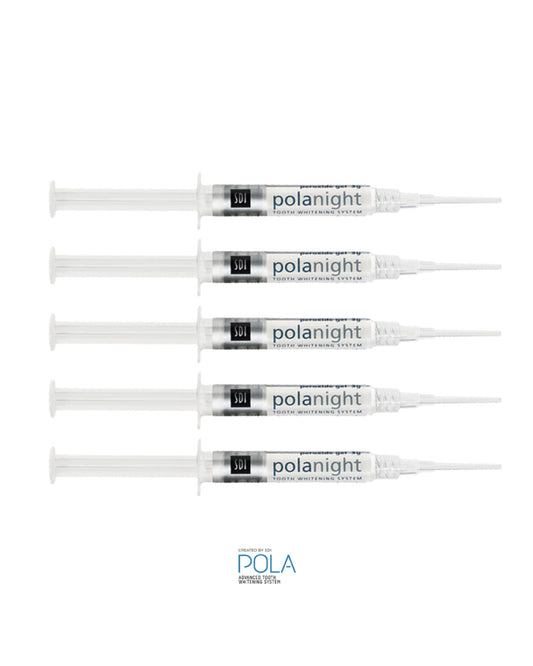
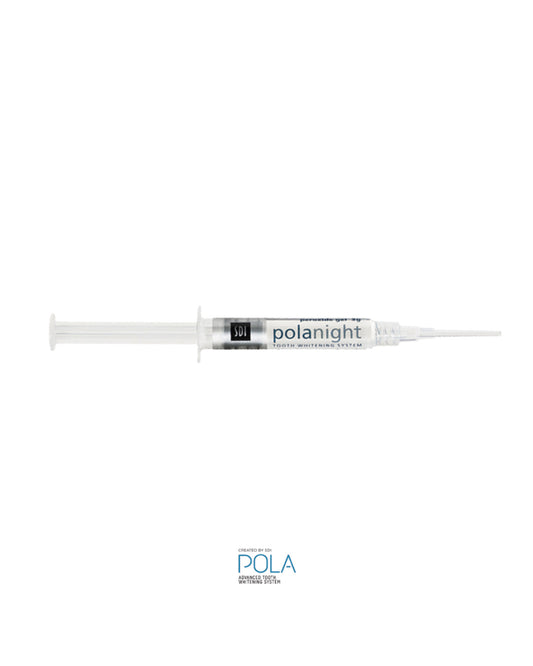
Pola Night 16% Teeth Whitening 1.3g | 5 units
Vendor:Pola NightRegular price €63,75 EURRegular price -
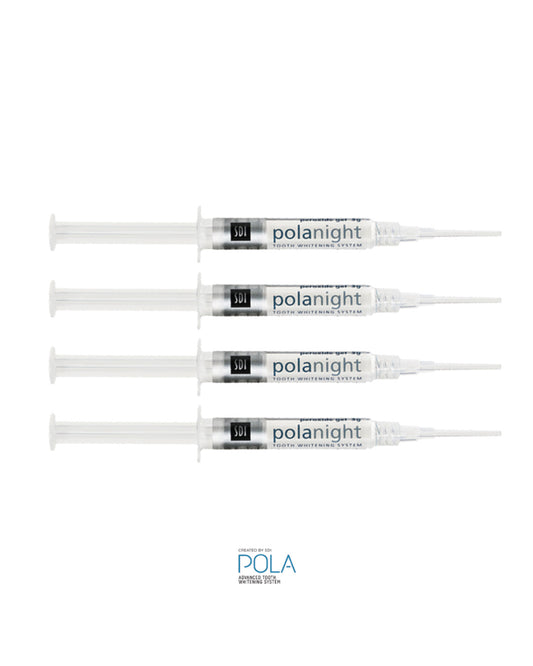
Pola Night 16% Teeth Whitening 1.3g | 4 units
Vendor:Pola NightRegular price From €57,25 EURRegular price -
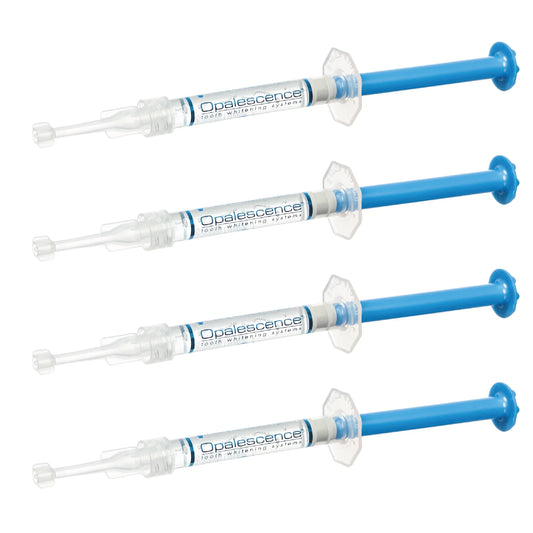
Opalescence PF 16% Regular | At-Home Teeth Whitening | 4 Syringes
Vendor:OpalescenceRegular price €66,96 EURRegular price -
Opalescence PF 16% Mint | At-Home Teeth Whitening | 4 Units | Ultradent
Vendor:OpalescenceRegular price €66,96 EURRegular price -
Philips Zoom NiteWhite 16% - Teeth Whitening 2.4ml | 2 units
Vendor:PHILIPS ZOOMRegular price From €66,85 EURRegular price€72,70 EURSale price From €66,85 EURSale -
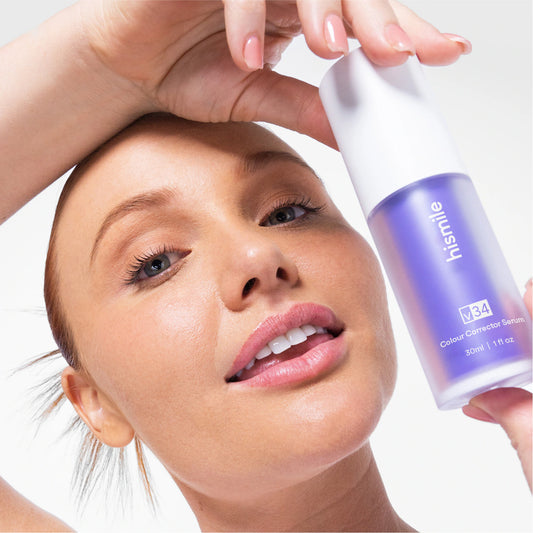
Hismile V34 Colour Corrector - Colour-Correcting Serum for Optical Whitening - 30 ml
Vendor:HismileRegular price €27,80 EURRegular price€0,00 EURSale price €27,80 EURSold out -
Opalescence Kit - Opalescence PF 16% 2 Syringes + Original Cool Mint Whitening Toothpaste 100 ml | At-Home Teeth Whitening Kit
Vendor:OpalescenceRegular price €61,60 EURRegular price -
Pola Night 16% Teeth Whitening 1.3g | 2 units
Vendor:Pola NightRegular price From €42,45 EURRegular price -
Philips Zoom NiteWhite 16% - Teeth Whitening 2.4ml | 1 unit
Vendor:PHILIPS ZOOMRegular price From €36,35 EURRegular price€72,70 EURSale price From €36,35 EURSale -
Pola Day 6% - 1.3g - Teeth whitening gel for daytime use
Vendor:Pola DayRegular price From €42,45 EURRegular price€0,00 EURSale price From €42,45 EUR -
Pola Night 16% Teeth Whitening Kit | 4 Syringes 1.3 g
Vendor:Pola NightRegular price €57,25 EURRegular price -
Pola Night 10% Teeth Whitening Kit | 4 Syringes 1.3 g
Vendor:Pola NightRegular price €70,55 EURRegular price -
Opalescence PF 16% Patient Kit: At-Home Teeth Whitening - Mint | Ultradent
Vendor:OpalescenceRegular price €109,67 EURRegular price -
Pola Night 16% Teeth Whitening 1.3g | 1 unit
Vendor:Pola NightRegular price From €35,15 EURRegular price -
Pola Night 16% Teeth Whitening 1.3g | 3 units
Vendor:Pola NightRegular price From €49,55 EURRegular price -
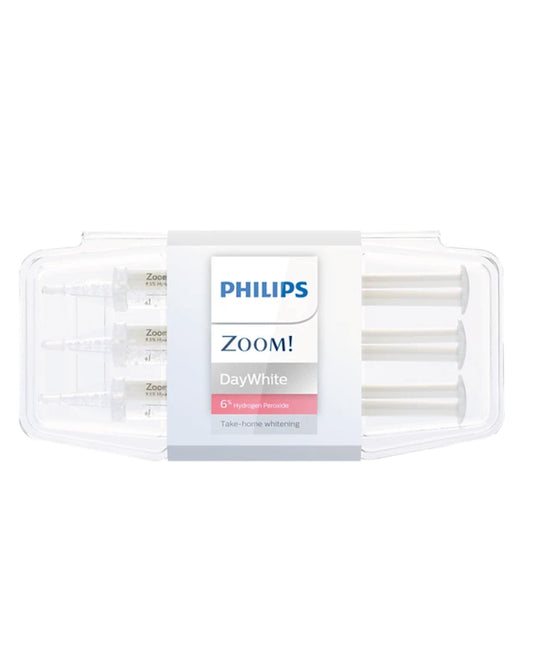
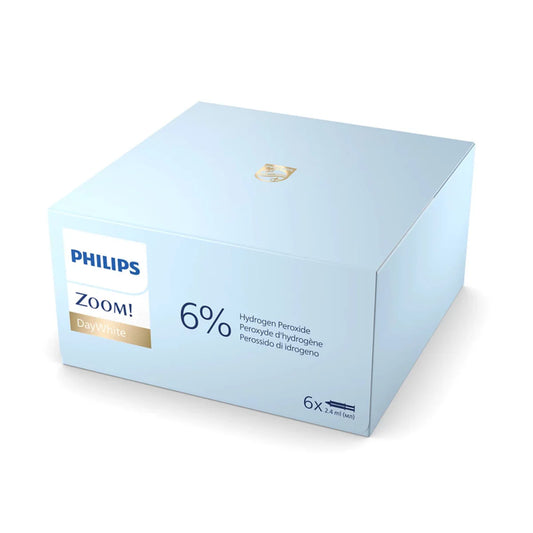
Philips Zoom DayWhite 6% - Teeth Whitening Kit - 3 units
Vendor:PHILIPS ZOOMRegular price €89,45 EURRegular price -
Philips Zoom DayWhite 6% - Teeth Whitening Kit - 6 units
Vendor:PHILIPS ZOOMRegular price €132,73 EURRegular price -
Philips Zoom NiteWhite 10% - Patient Teeth Whitening Kit - 3 units
Vendor:PHILIPS ZOOMRegular price €89,45 EURRegular price -
Philips Zoom NiteWhite 10% - Teeth Whitening Patient Kit - 6 Units
Vendor:PHILIPS ZOOMRegular price €132,73 EURRegular price -
Opalescence PF 10% Regular | At-Home Teeth Whitening | 4 Units
Vendor:OpalescenceRegular price €66,96 EURRegular price -
Opalescence PF 16% Mint | At-Home Teeth Whitening | 2 Units | Ultradent
Vendor:OpalescenceRegular price €54,60 EURRegular price -
Opalescence PF 16% Regular | At-Home Teeth Whitening | 2 Syringes
Vendor:OpalescenceRegular price €54,60 EURRegular price -
Opalescence PF 10% 'Patient Kit' Regular: At-Home Teeth Whitening - Neutral Flavour
Vendor:OpalescenceRegular price €109,67 EURRegular price -
Opalescence Kit - Opalescence PF 16% 2 Units + Sensitivity Relief Cool Mint Whitening Toothpaste 100 ml | At-Home Teeth Whitening Kit
Vendor:OpalescenceRegular price €61,60 EURRegular price









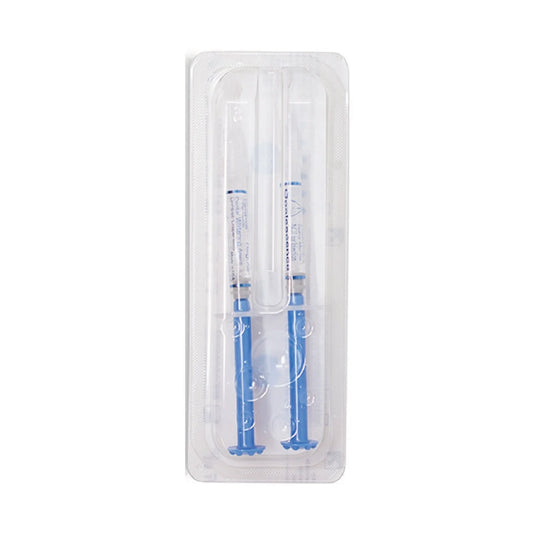
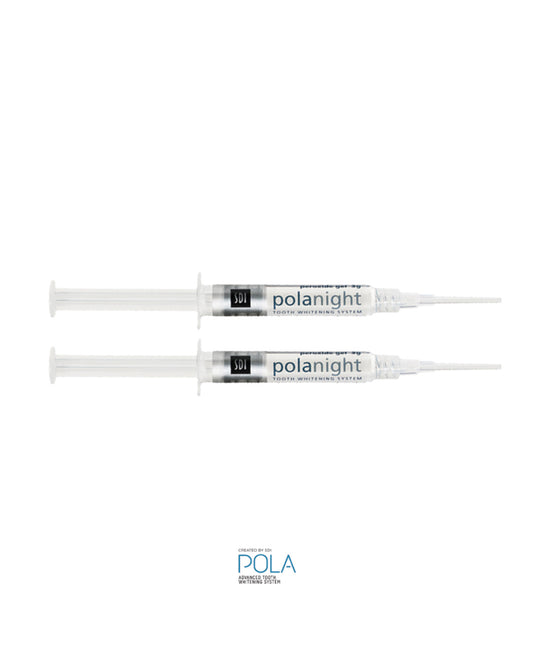
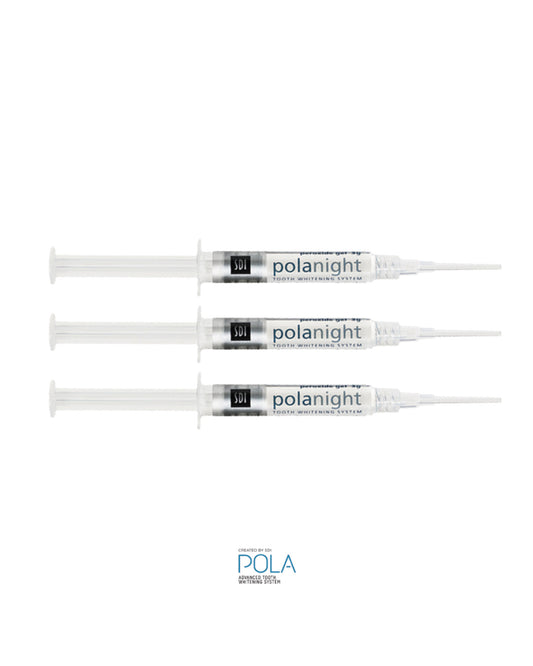

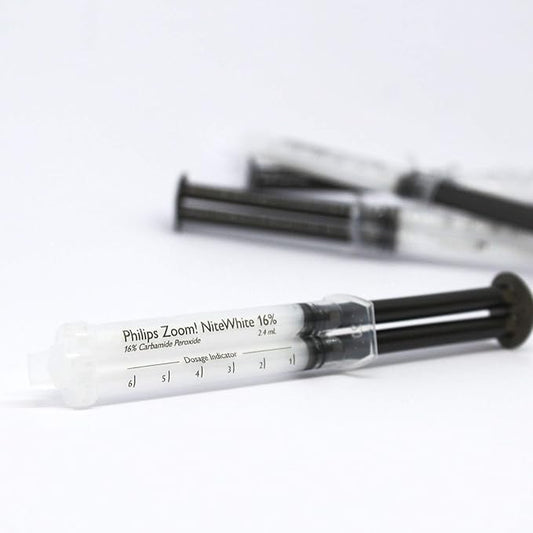








Brands we have in stock








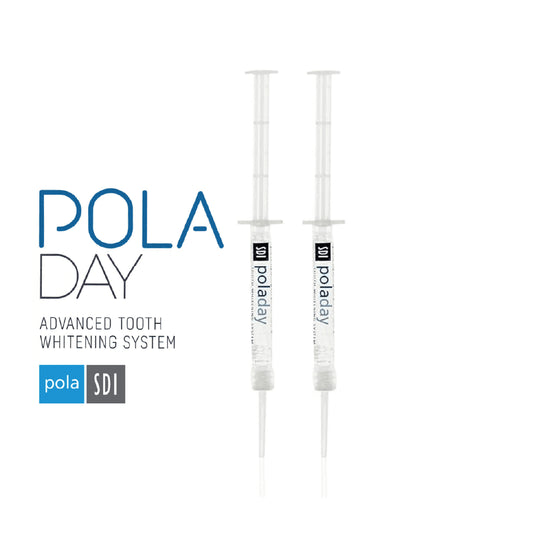
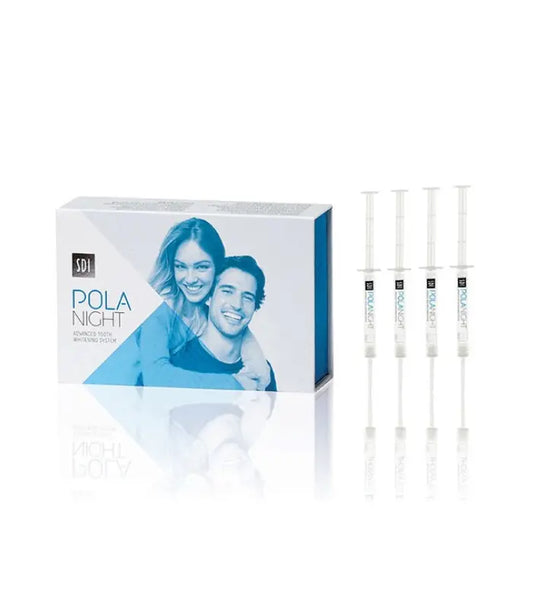
The Pola collection offers professional, effective solutions for at-home teeth whitening with two distinct products: Pola Day and Pola Night. Each product is specifically tailored to your lifestyle and your needs, ensuring impressive results and a radiant, healthy and confident smile.
Pola Day - Fast and effective whitening
Pola Day is an advanced solution designed to deliver fast, visible results in the comfort of your own home, similar to professional in-office dental treatments. Ideal for those with a busy routine, Pola Day requires only short sessions of 30 minutes to 1 hour, allowing you to achieve effective results without significant interruptions to your daily schedule.
Each unit of Pola Day contains a 1.3 g syringe of whitening gel with a refreshing mint flavour, enough for 1 to 3 applications, depending on the amount used in each session. The high viscosity of the gel ensures a safe, comfortable application without spills, especially when used with custom trays recommended by your dentist.
Pola Night - Comfortable whitening while you sleep
Pola Night is ideal for those who prefer a discreet and comfortable treatment while they sleep. This highly effective night gel allows extended sessions throughout the night or for periods of 2 to 4 hours, ensuring deep, even teeth whitening.
Each unit of Pola Night consists of a 1.3 g syringe of whitening gel with a pleasant fresh mint flavour, providing a refreshing sensation and additional comfort during treatment. Formulated with carbamide peroxide, Pola Night is recognised for its proven safety and long-lasting effectiveness.
Advanced technology for safe results
Both Pola Day and Pola Night incorporate advanced technology developed by Pola to ensure maximum efficacy and safety in teeth whitening. The technological benefits include desensitising ingredients that minimise tooth sensitivity, fluoride to strengthen tooth enamel, a high water content to keep the enamel hydrated, thickening agents that prevent the gel from drying out prematurely and a balanced pH for safe application.
Step by step to an easy and safe application
1️⃣ Place a small amount of gel in each compartment of the custom tray.
2️⃣ Use half of the syringe for the upper arch and the other half for the lower arch.
3️⃣ Position the trays on your teeth and press gently, ensuring full contact.
4️⃣ Remove any excess gel from the gums using a tissue, a cotton bud or a dry toothbrush.
5️⃣ After the recommended time, remove the trays, rinse your mouth with warm water and carefully clean the trays.
6️⃣ Finish by gently brushing your teeth and admire the results.
Pola Night | Pola Day | Pola Light
Frequently Asked Questions (FAQs)
1. What is the difference between Pola Day and Pola Night?
Pola Day uses hydrogen peroxide in short sessions (30 minutes to 1 hour), while Pola Night uses carbamide peroxide for longer sessions (2 to 4 hours or throughout the night).
2. Do Pola products cause tooth sensitivity?
Both products contain special desensitising ingredients, significantly reducing possible discomfort. It is advisable to adjust the application time if you have sensitive teeth.
3. Is it essential to use custom trays?
Yes, we recommend custom trays to ensure precise application of the gel and avoid gum irritation.
4. How often should I do the treatment?
Treatments are usually carried out daily until the desired results are achieved. Consult your dentist for a plan better suited to your specific case.
5. How long do the whitening results last?
Results can last from months to years, depending on eating habits and oral care. Periodic maintenance treatments are advisable to keep the desired colour.
6. What is the best way to store Pola products?
To preserve their effectiveness, store the syringes in a cool, dry and dark place, always observing the expiry date shown on the packaging.